Is Marbella a good place for digital nomads?
+
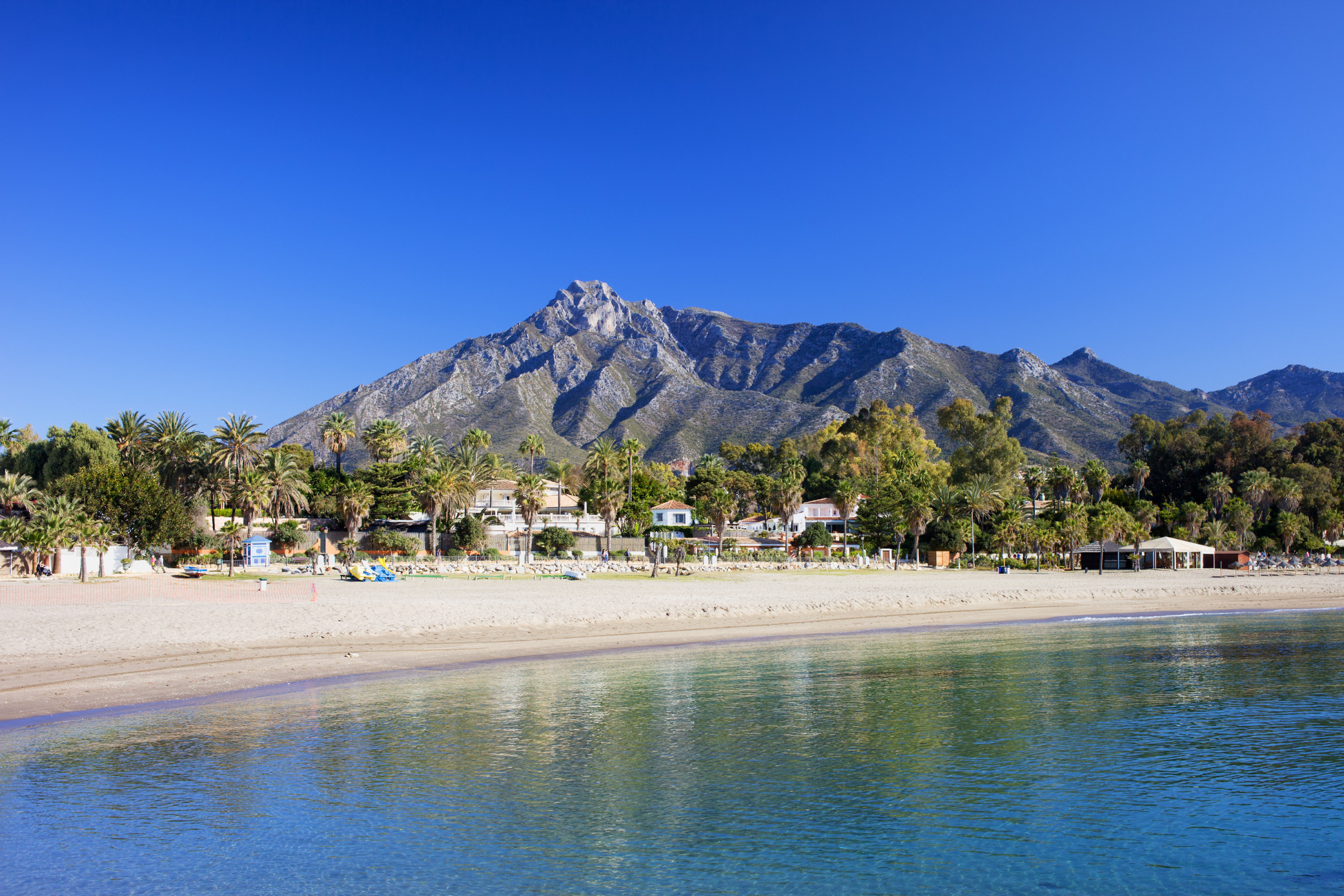
Yes. Marbella offers fibre internet (1 Gbps widely available), 300+ sunny days a year, a 25-minute drive to Málaga International Airport with direct flights to most European hubs, a strong English-speaking community, and the same time zone as London and Berlin. The trade-off is cost — it's more expensive than Lisbon or Madrid — and it doesn't have the trendy-nomad social scene of Madeira or Mexico City. It compensates with a deeper, more stable community of long-term residents.
What's the Spanish Digital Nomad Visa and how do I apply?
+
Spain's Digital Nomad Visa (Visado para teletrabajadores), launched in 2023 under the Startups Law, lets non-EU remote workers live in Spain for up to three years (renewable). Requirements include a remote employment or service contract with a non-Spanish company (employed at least three months before applying), monthly income around €2,650 (200% of Spanish minimum wage) for a single applicant, private health insurance with no copayments, and a clean criminal record. Apply through a Spanish consulate before arrival, or in Spain via the UGE (Unidad de Grandes Empresas) once you're here on another status.
Where in Marbella is best for digital nomads?
+
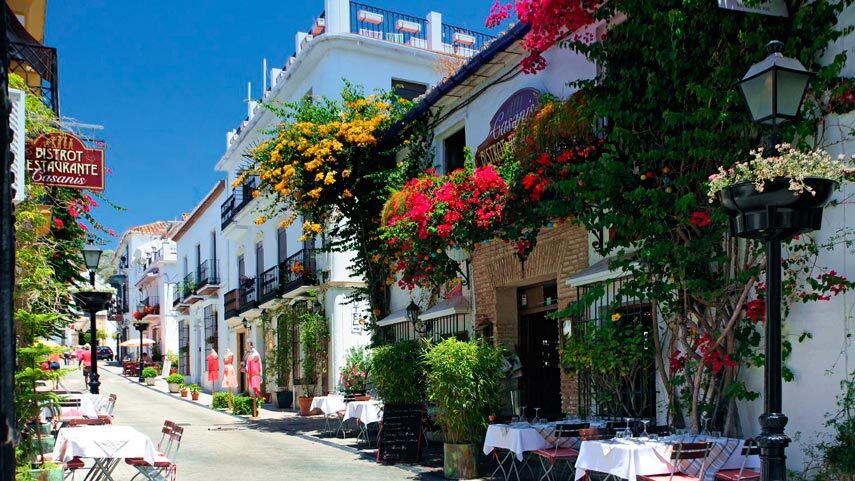
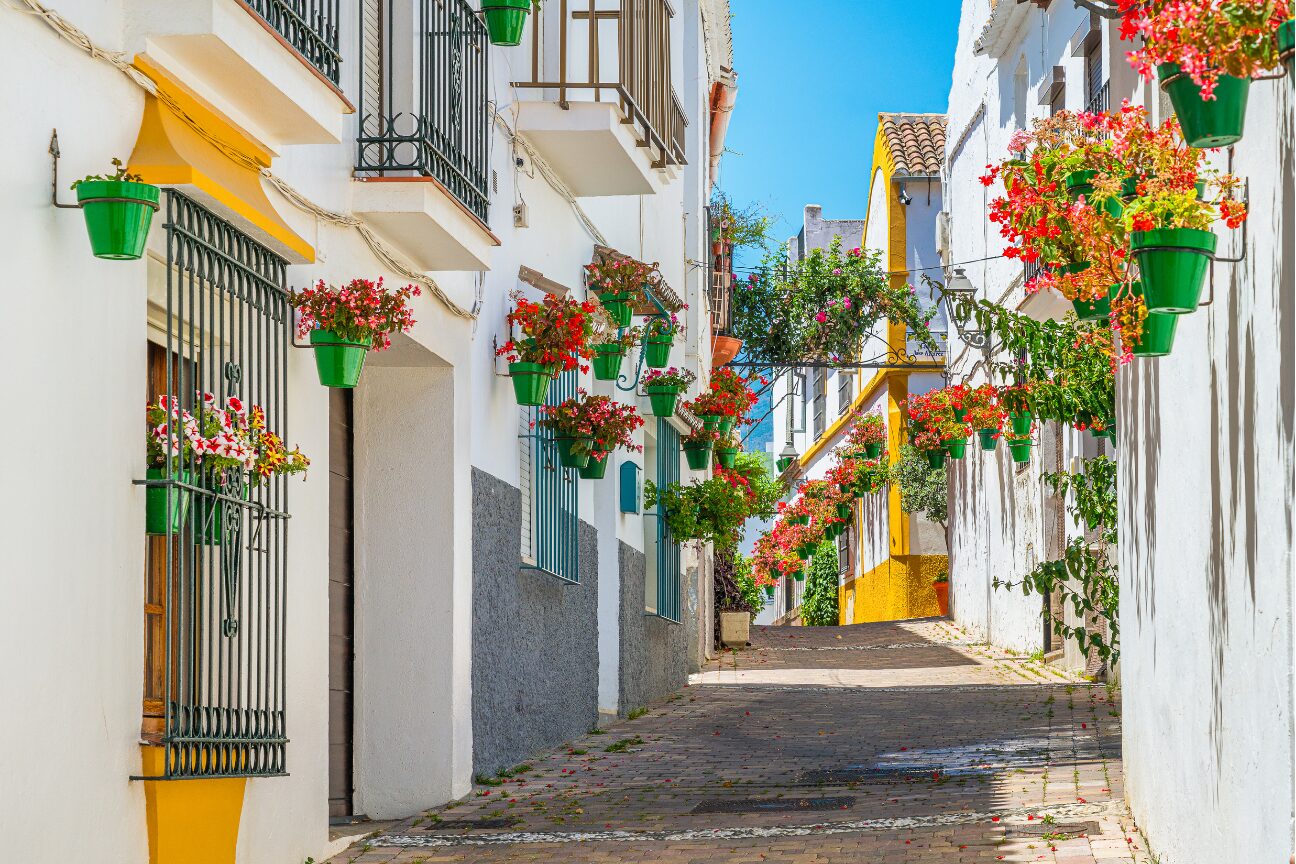
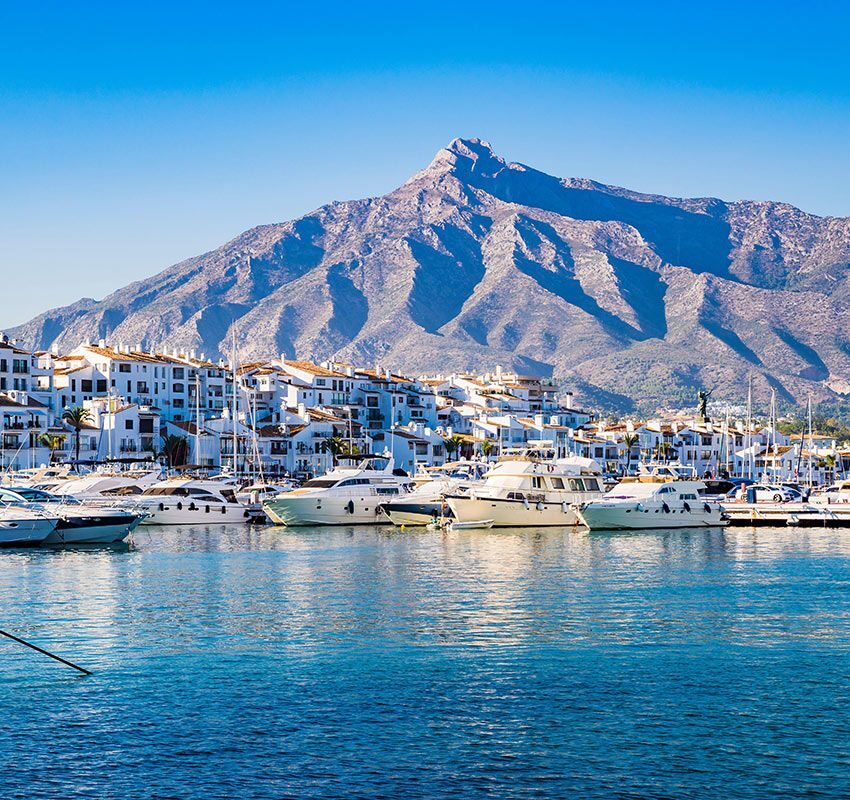
The four areas most digital nomads choose are Marbella Centro (old town — walkable, café-dense, strongest year-round community), Estepona town (quieter, lower cost of living, growing café scene), Puerto Banús / Nueva Andalucía (social, polished, marina lifestyle), and Málaga city (proper city density with the international airport at the edge). Marbella Centro suits most full-time remote workers; Estepona suits cost-conscious solo nomads; Málaga suits those who travel internationally often or want a denser urban life.
How fast is the internet in Marbella?
+
Fibre is the default in Marbella. 1 Gbps symmetric is widely available; 600 Mbps is the baseline in any modern apartment. The main carriers are Movistar, Vodafone and Orange, with Pepephone and Másmóvil as cheaper alternatives. Coworking spaces run business-grade circuits with backup. Mobile coverage (4G/5G) is uniform across the coast.
What does it cost to live in Marbella as a digital nomad?
+
A single digital nomad lives well on €2,500–€3,500 per month, covering a one-bedroom rental, food, gym/padel and weekends out. A couple's budget is €4,000–€5,000 per month. Rents are the largest variable: a modern one-bed in Marbella Centro is €1,400–€2,200/month long-term; Estepona is €1,000–€1,500; Puerto Banús runs higher and is distorted by summer short-let demand.
Are there coworking spaces in Marbella?
+
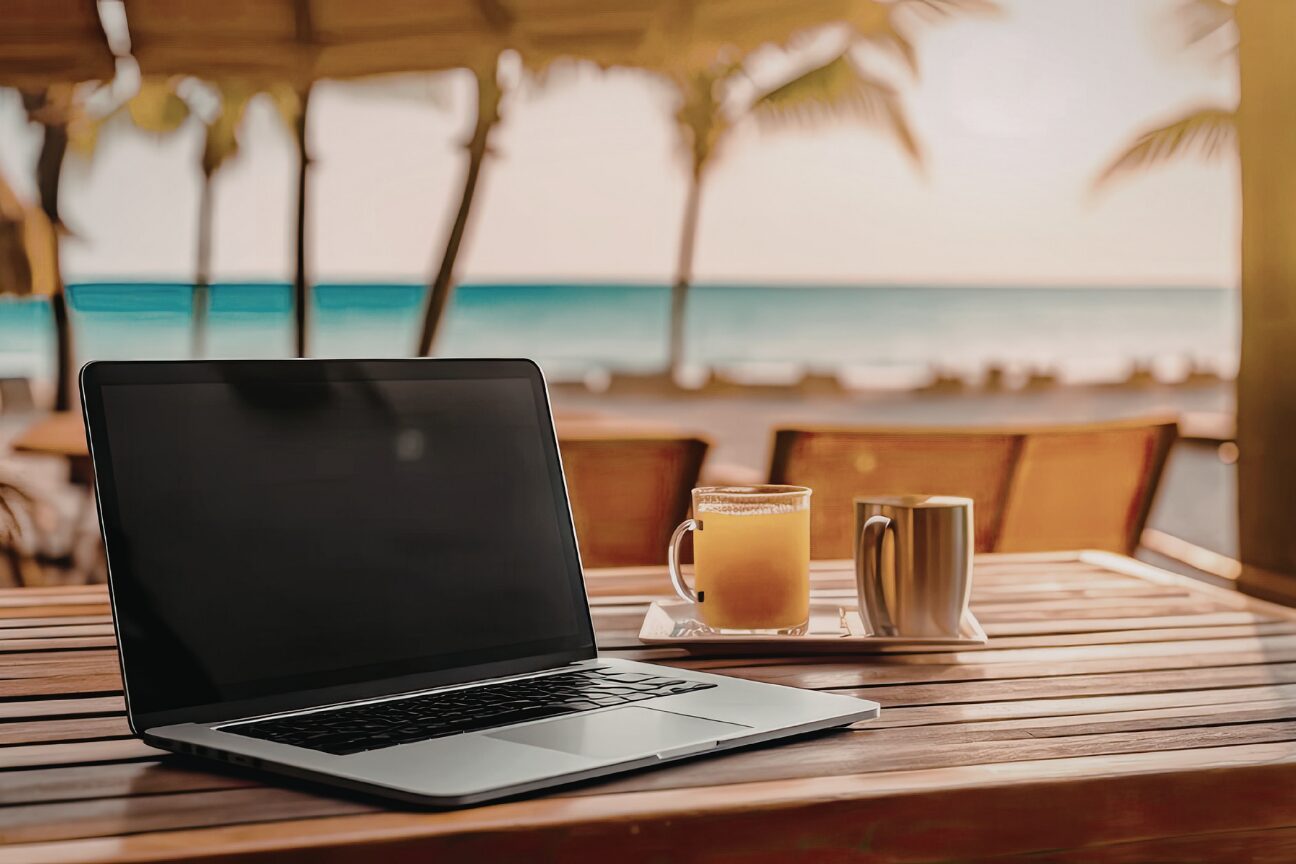
Yes. Notable options include Workinn (Estepona), Co-Working Marbella, La Térmica (Málaga — public and cultural rather than commercial), and a growing set of private members' clubs. Day passes run €15–€25; monthly memberships €150–€280. Most cafés are also laptop-tolerant outside peak hours. A short trial before committing is sensible — cultures vary between spaces.
Can digital nomads use Spain's Beckham Law?
+
Yes — and this is one of the most consequential reasons to consider Spain. Digital nomads who apply under the 2023 Startups Law / Digital Nomad Visa can elect the Beckham Law tax regime: a flat 24% on Spanish-source income up to €600,000, and no Spanish tax on most foreign-source income, for six years. A Spanish tax adviser should review your specific situation before you become tax-resident.
Is Marbella too quiet in winter for digital nomads?
+
No. Marbella has a strong, dense year-round community — particularly the families and professionals who live here permanently. The tourist energy of August dies away, but the cafés, padel courts, gyms and dinner culture run all year. December and January are genuinely social months. The misconception that the coast 'closes' off-season comes from the resort towns further east, not Marbella itself.
How do I find the digital nomad community in Marbella?
+
Three reliable entry points: padel clubs (any urbanisation court turns into a friendly game within two weeks of showing up), the cafés you become a regular at, and the weekly founder and freelancer dinners that quietly happen across the coast. The community doesn't broadcast itself on social media as much as Lisbon or Bali — it operates more by word of mouth and longer-tenure relationships.
Can I bring my family on the Digital Nomad Visa?
+
Yes. Spouses and dependants can be added to the main applicant's Digital Nomad Visa, with proportionally higher income requirements (around 75% of the Spanish minimum wage per dependant on top of the main applicant's threshold). For families with school-age children, this combines well with Marbella's strong international school cluster — see the families guide for the school options that work.