Marta Aragón

Marbella & Costa del Sol relocation

A life by the sea, designed around your family.

I'm Marta. I help international families settle into Marbella with the kind of guidance that thinks about your children's school run before it thinks about your front door.

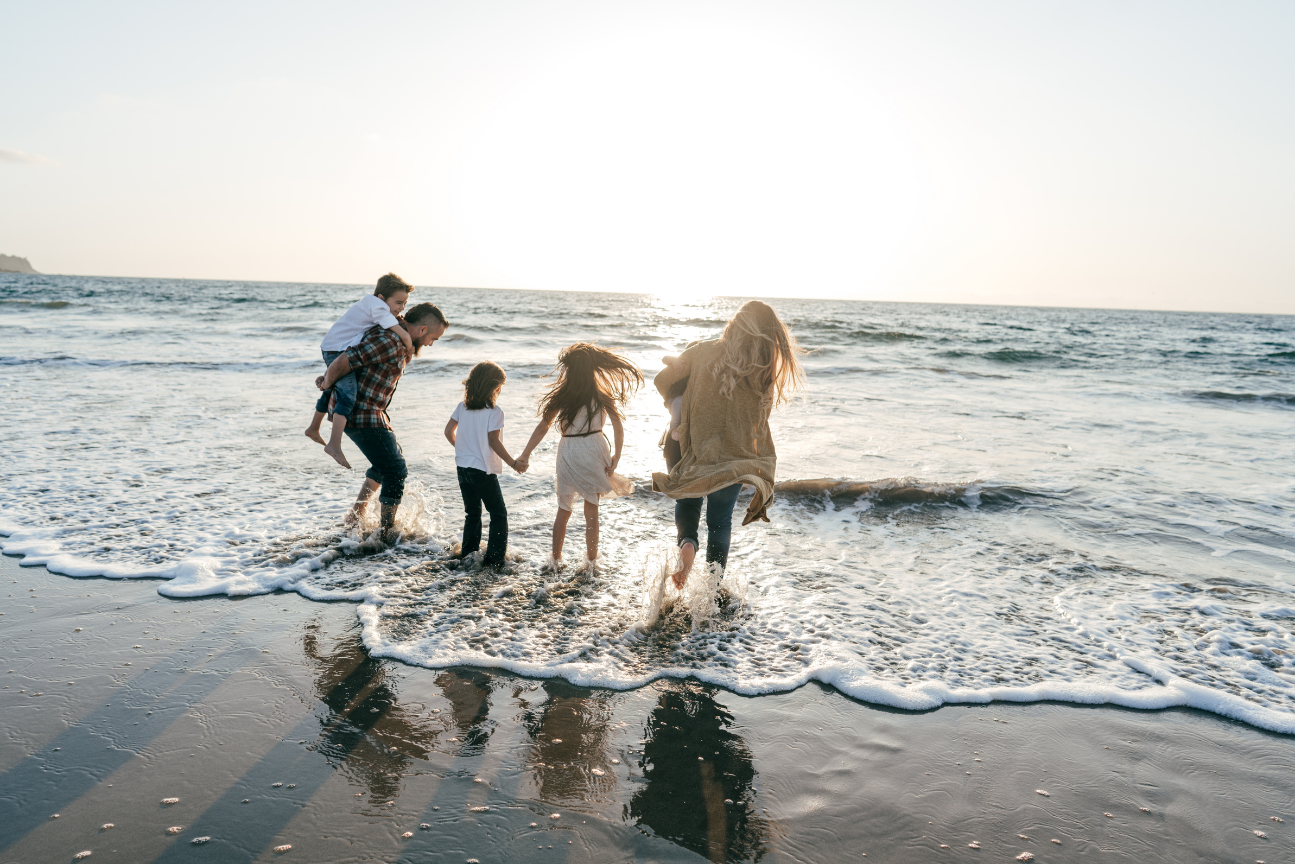
International family on the beach in Marbella, Costa del Sol
There's a moment — usually around the third morning, when you've had coffee on the terrace and the light does that thing it does here — when you stop thinking about the move and start thinking about your life. That's what we're really working towards.
— Marta

Why this coast

Families don't move here for the property. They move here for what the property makes possible.

I've spent years helping families relocate to Marbella, and the pattern is always the same. The first conversations are about square metres and budgets. The conversations that actually matter — the ones that decide whether the move was the right one — are about something else entirely.

It's about whether the children will run to the door on a Friday afternoon. Whether you'll find the rhythm of a Sunday lunch that lasts four hours. Whether the school run feels like life, not logistics. Whether the move becomes a story your family tells well.

The Costa del Sol gives families a particular kind of permission. Three hundred days of sun, a small handful of excellent international schools clustered within a thirty-minute drive, a sea that's warm by May, and a community of families from forty countries who've made the same decision you're considering. None of that is incidental — it's the texture of daily life here.

What I do is help you see that texture before you commit — areas, schools, rhythms, neighbours, the practical paperwork. So you arrive into a life that already fits, instead of one you have to negotiate with for the first eighteen months.

Families don't move here for the property. They move here for what the property makes possible.
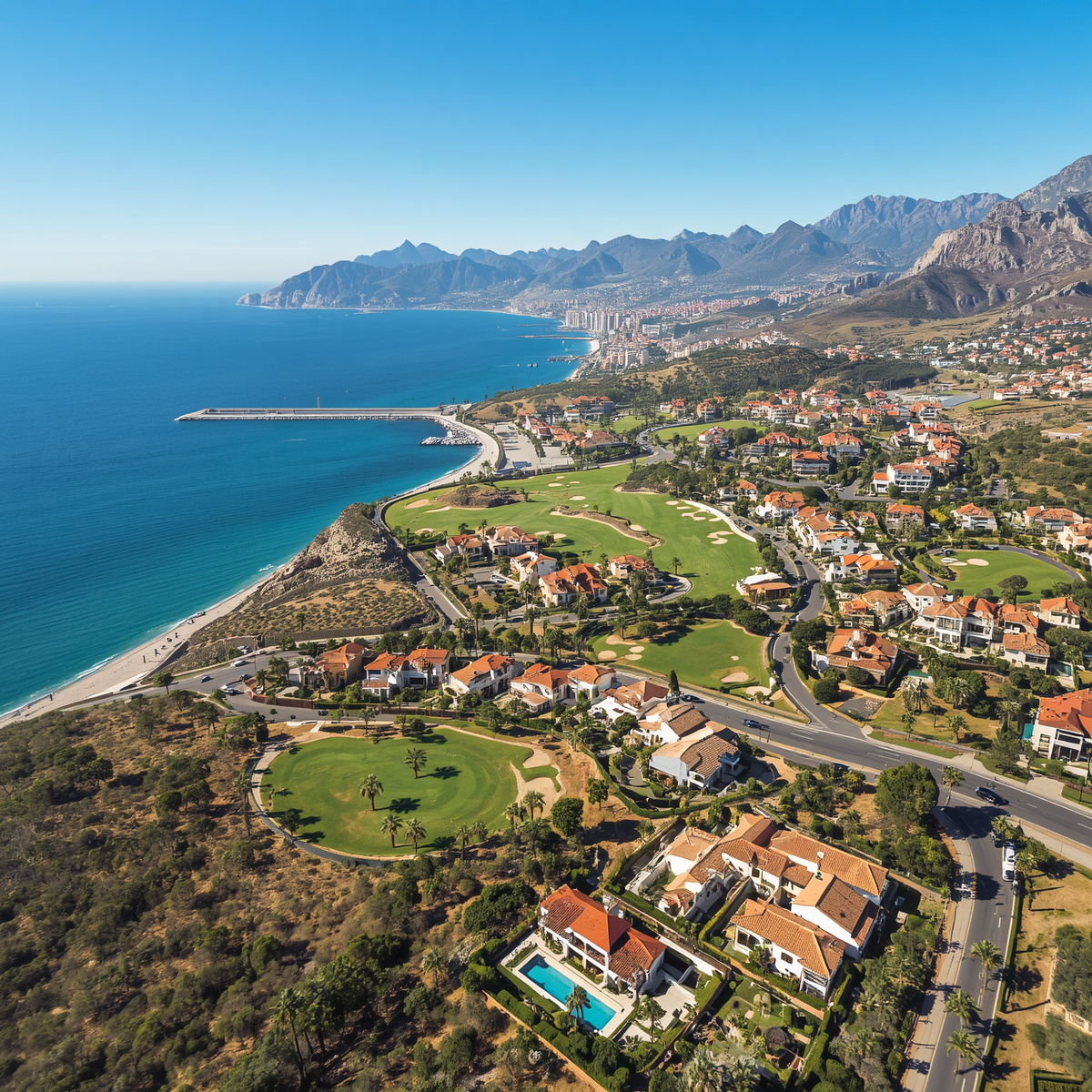
Aerial view of the Costa del Sol coastline near Marbella

Where families live

Five areas I send families to — and why

These aren't the only places to live with children on this coast. They're the five I find myself returning to most often, because each one solves a particular shape of family life. The shorthand below is how I'd describe them on a first walk-through.

Nueva Andalucía

The family heart of the Golden Mile, with walking-distance everything.

Nueva Andalucía is where I send most families who want to feel held by a community quickly. It sits in the valley behind Puerto Banús — five minutes from the beach, ten from Marbella centre, twenty from the international schools cluster around San Pedro and Guadalmina.

The streets are quiet, the playgrounds are full of children speaking four languages, and the Saturday market at the bullring is the kind of weekly ritual you didn't know you were looking for. It's not glossy in the postcard sense. It's lived-in, and that's the point.

  • Aloha College on the doorstep
  • Saturday market at the bullring
  • Walkable to Puerto Banús beach
  • Padel clubs every few streets

Schools nearby

Aloha College · Laude San Pedro (10 min) · Swans International (12 min)

San Pedro de Alcántara

The Spanish-town feel, with international schools at the end of the road.

San Pedro keeps its Spanish bones in a way Marbella sometimes forgets. There's a real town square, a long boulevard down to the sea that families bike to in the evenings, and a thriving café-and-padel culture that anchors weekends here.

It's also one of the best-connected areas for international schools on the western Costa del Sol. Laude San Pedro sits right here, with Atalaya International and Aloha College both a short drive away. Families who want their children to grow up genuinely bilingual — without sacrificing the international curriculum — gravitate here for good reason.

  • Laude San Pedro at the edge of town
  • Walkable Spanish town centre
  • Beach boulevard for evening rides
  • Strong year-round community

Schools nearby

Laude San Pedro International College · Atalaya International School · Aloha College

Guadalmina

Quiet, leafy, golf-and-beach in equal measure.

Guadalmina is the area families discover and exhale. It's split into Alta (above the road, around the golf courses) and Baja (below, towards the beach), and both work for families. Streets are wide and lined with jacarandas. The beach is one of the longest and least crowded on this stretch.

Many of my clients land here because Laude San Pedro and Atalaya International sit minutes away in either direction — Laude just east in San Pedro, Atalaya just west towards Estepona — but they stay because of the rhythm: school in the morning, beach or pool in the afternoon, dinner that drifts past the children's bedtime in the easiest possible way.

  • Laude San Pedro and Atalaya within 5–15 minutes
  • Colegio San José campus inside Guadalmina
  • Long, uncrowded beach
  • Mature, leafy streets
  • Two golf courses inside the urbanisation

Schools nearby

Laude San Pedro International College · Atalaya International School · Colegio San José (Guadalmina campus)

Atalaya / Benahavís

Hillside calm, with the international school built into the neighbourhood.

Atalaya sits just inland from Estepona, climbing up into the hills towards Benahavís. The pace is slower here — wider plots, more gardens, more space for children to be loud. Atalaya International School is a five-minute drive for most residents, which means a school run measured in minutes, not stress.

Benahavís proper, further up the mountain, is one of the most beautiful villages in Andalucía and a Sunday-lunch destination in its own right. Families who choose this corner tend to want a little more privacy, a little more nature, without losing the international community.

  • Atalaya International on the doorstep
  • Larger plots, more gardens
  • Benahavís village 10 min uphill
  • Quick access to Marbella and Estepona

Schools nearby

Atalaya International School · Laude San Pedro (15 min) · Aloha College (15 min)

Elviria

East Marbella's beach community, anchored by EIC.

Elviria is the answer for families who want the eastern side of Marbella — calmer beaches, the pine forests of Cabopino, and a quieter weekend rhythm. English International College sits at the heart of it, which means a meaningful share of the families you'll meet at the school gate also live in the same neighbourhood.

It's a fifteen-minute drive into Marbella centre and twenty minutes to Málaga airport. That airport proximity matters more than people expect: for families with relatives flying in regularly, or one parent commuting, it tilts the choice eastward.

  • English International College in the area
  • Closest to Málaga airport (20 min)
  • Pine forests and Cabopino beaches
  • Quieter, more residential pace

Schools nearby

English International College (EIC) · Atalaya International (25 min)

I'd rather we spend two extra weeks finding the right neighbourhood than save them and spend a year apologising to your children.
— Marta

Schools

International schools I recommend

The school decision is the one that quietly shapes the entire move — area, commute, community, even your children's accent. What follows is the short list I work with most often, with how I think about each one. This isn't a directory; it's how I'd describe them to a friend over coffee.

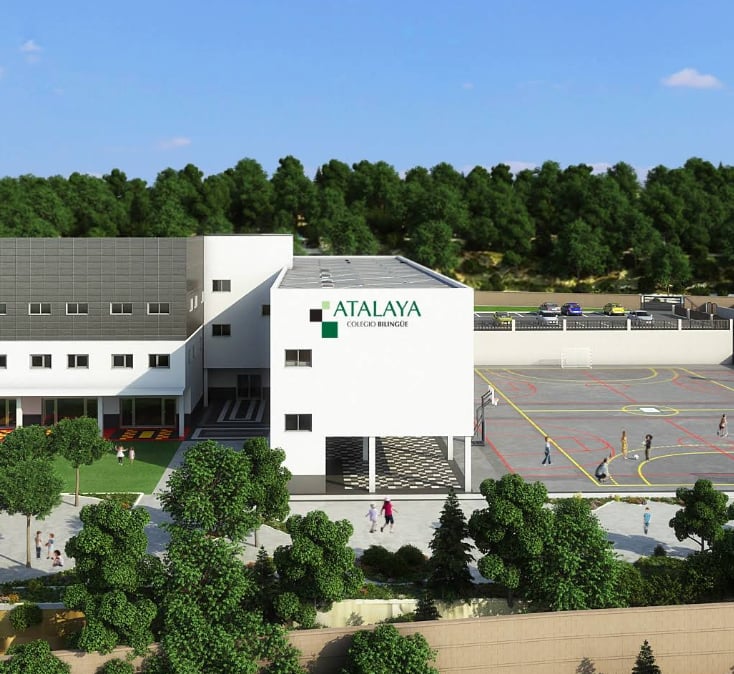
Atalaya International School, Estepona
  • Laude San Pedro International College

    San Pedro de Alcántara
    Curriculum
    British (IGCSE / A-Levels) + Spanish bilingual stream
    Age range
    3–18 (Early Years to Sixth Form)

    Laude is the long-standing British school in San Pedro, and the one I tend to recommend to families who want a genuinely bilingual environment without compromising on a UK-style academic backbone. The campus has matured beautifully over the years, and the parent community is one of the warmest on the coast.

  • Swans International School

    Sierra Blanca, Marbella
    Curriculum
    British (IGCSE / A-Levels) with strong languages programme
    Age range
    3–18

    Swans feels the most Marbella of all the schools — small classes, an international parent body from forty-plus countries, and a campus tucked into Sierra Blanca with views over the sea. The right fit for families who want a close-knit feel and don't mind a slightly more central location.

  • Aloha College

    Nueva Andalucía
    Curriculum
    British (IGCSE / A-Levels) + IB Diploma option
    Age range
    3–18

    Aloha is one of the founding international schools on the coast — long-established, strong sports programme, and the IB Diploma option matters for families thinking about university routes beyond the UK. Most Nueva Andalucía families choose Aloha simply because it's a five-minute drive from home.

  • English International College (EIC)

    Elviria, East Marbella
    Curriculum
    British (IGCSE / A-Levels)
    Age range
    3–18

    EIC anchors the eastern Marbella community. It's the natural choice for families who land in Elviria, Las Chapas or Cabopino, and the only major international school on this side of town — which builds a tight, neighbourhood-school feeling that families really value.

  • Atalaya International School

    Atalaya, between San Pedro and Estepona
    Curriculum
    British (IGCSE / A-Levels)
    Age range
    3–18

    Atalaya has grown quickly in recent years and is now one of the most in-demand schools on the western stretch. The right answer for families settling in Atalaya, Benahavís or Guadalmina who want a school they can walk or drive to in five minutes.

  • Sotogrande International School

    Sotogrande (Cádiz, 45 min west of Marbella)
    Curriculum
    IB Programme (PYP, MYP, Diploma)
    Age range
    3–18 (with boarding from 12)

    Sotogrande International is the most established IB school in southern Spain and a destination school for families relocating from international postings. It's worth the longer drive for families committed to the IB pathway or considering boarding for older children.

  • Colegio San José (Estepona)

    Estepona
    Curriculum
    Spanish curriculum with strong bilingual programme
    Age range
    1–18

    I include San José for families who want their children to grow up genuinely Spanish — the curriculum is Spanish, with a strong bilingual structure. It's the school I recommend to families planning a long stay who want their children to integrate, not just attend.

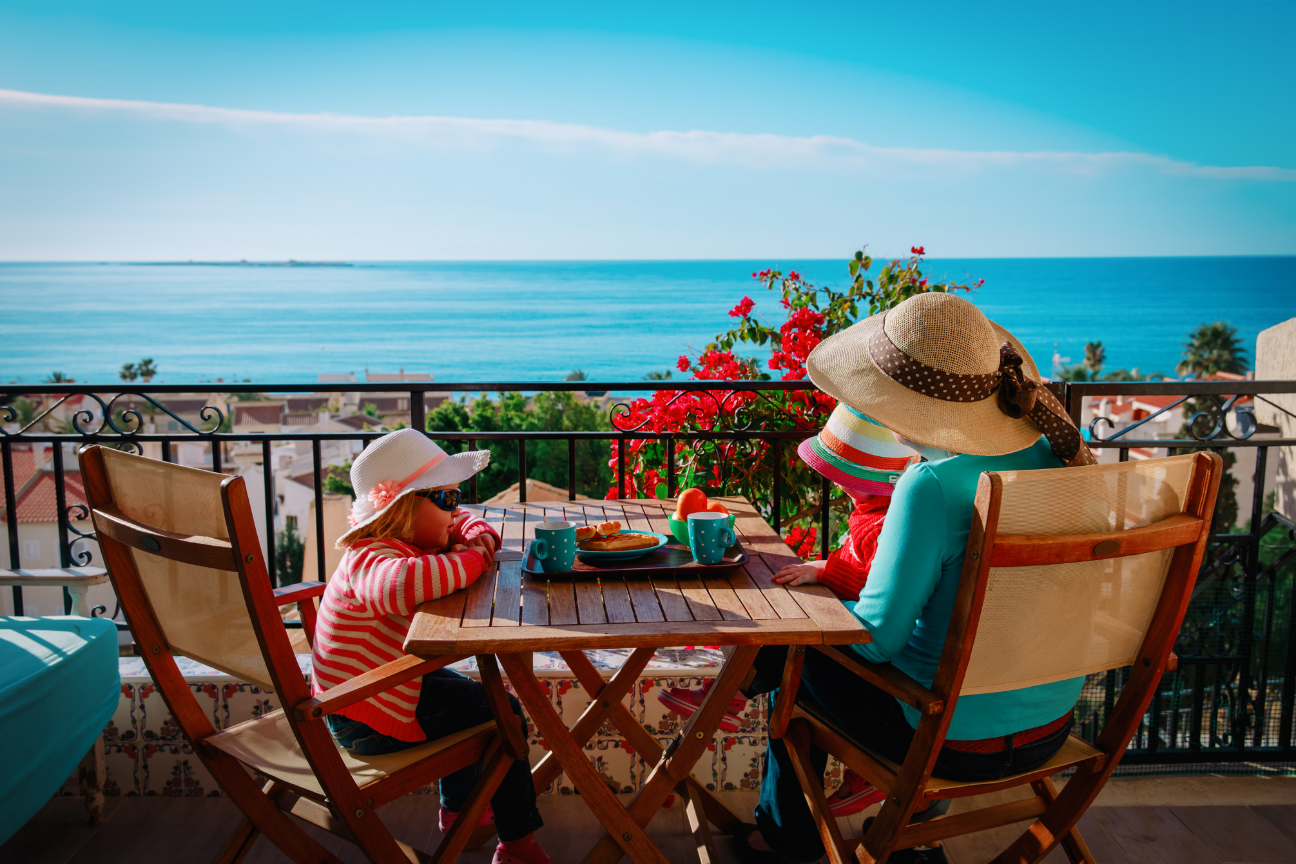
A Marbella terrace at golden hour, overlooking the sea

Daily life

What a normal Tuesday actually feels like

Daily life with children here has a rhythm I never quite anticipated before I lived it. The weather sets the structure — you spend more time outside, more time eating slowly, more time at the beach in November than seems reasonable when you're moving from a northern climate.

What follows isn't a brochure of activities. It's the texture of an ordinary week.

Children playing outdoors in a Costa del Sol park

01

Outdoor life

Three hundred days of sun aren't a slogan — they're the reason your children will be outside after school, every day, almost without effort.

02

Beaches that become routine

From May to October, the sea is the children's other playground. Cabopino, Guadalmina, Artola — each beach has its own personality and its own families.

03

Padel as a second language

Padel isn't a sport here, it's a social fabric. Children pick it up at six. Parents pick it up at forty. Most urbanisations have a court, and most weekends have a friendly game.

04

Nature within minutes

Sierra de las Nieves, La Concha, the pine forests above Ojén — wilderness sits twenty minutes from any front door. Sunday hikes become a thing your family does.

05

A genuinely international community

You'll meet families from forty countries at the school gate, and your children will grow up thinking that's how the world works. It might be the quietest gift of the move.

06

Food that takes its time

Lunches are long, dinners are later, and the children adapt to it more easily than you'd expect. Markets are weekly. Cooking with the seasons becomes natural.

The practical side

Paperwork, healthcare, taxes — without the panic

What follows is the part most international families dread before the move and forget within six months of arriving. I'll be candid: it's all manageable. Some of it is paperwork. Some of it is rhythm. None of it is a reason to delay the move.

NIE (Foreign Identification Number)

Your NIE — the foreigner identification number — is the first piece of Spanish paperwork you'll need. You can't rent a long-term property, open a Spanish bank account, register children at school, or buy a car without one.

Two routes: apply at the Spanish consulate in your country of residence before the move (slower, but you arrive with it in hand), or apply at the local national police station once you're in Spain (faster, but it requires an appointment and turns out to be a half-day errand). I help my clients line up the appointment before they arrive.

Banking

A Spanish current account is the next domino. Sabadell, Santander, CaixaBank and BBVA all offer non-resident accounts that you can open with your NIE, passport and proof of address. Most can be opened in a single appointment.

If you're a higher net-worth family, the private banking arms of Bankinter and Santander Private Banking are who I tend to introduce — they speak fluent English and understand the patterns of expat life.

School registration

International schools run their own admissions cycles, almost all of them on a rolling basis. The honest answer is: don't wait. The schools I've listed above all fill their year groups well in advance, and the popular year groups (Year 7, Year 12) can have waiting lists of a full academic year.

Spanish public and concertado schools require padrón (town hall registration) and NIE, and accept enrolment in a separate spring window through your local town hall. If you're considering this route, plan around that calendar.

Healthcare (public vs private)

Spain runs an excellent public healthcare system that you'll qualify for once you're employed, self-employed or registered as a resident contributing socially. Quality is high — particularly the hospitals in Marbella (Costa del Sol) and Málaga.

Private healthcare is the standard for most expat families: Sanitas, Adeslas and DKV cover the major clinics (HC Marbella, Vithas Xanit, Quirónsalud) and run between €70 and €150 per adult per month depending on age and coverage. Most families I work with go private for convenience, then add public coverage as their residency settles.

Driving licence exchange

If your driving licence is from an EU/EEA country, you simply register it once you become resident. Outside the EU (UK, US, Canada, Australia and so on), the rules have tightened: most non-EU licences need to be exchanged within six months of residency, and not all countries have current exchange agreements with Spain.

Practical advice I give every family: don't let this slip past the six-month mark. Renewals after that can mean retaking the Spanish driving test in Spanish. I'll flag the current rules for your country of origin during our discovery conversation.

Pet import

Bringing a dog or cat from the EU is straightforward: EU pet passport, valid rabies vaccination, microchip. From the UK and the US, the process is more involved: rabies titre testing, an EU health certificate issued within ten days of travel, and entry through an approved EU port.

Timeline-wise, plan for three to four months of preparation before the move. The most common mistake is leaving the titre test to the end — its validity window matters.

Fiscal residency

Spend more than 183 days in Spain in a calendar year and you become a Spanish tax resident, taxed on your worldwide income. That single fact reshapes the financial planning of every family I work with, and it's worth taking proper tax advice before the move — not after.

Common patterns: timing the move so the first year falls inside the most favourable calendar, structuring the disposal of assets in your previous country before becoming resident, and understanding the Spanish wealth tax (which varies by region — Andalucía is currently amongst the most favourable).

Beckham Law (régimen de impatriados)

The Beckham Law is Spain's special tax regime for incoming workers. If you qualify, you're taxed as a non-resident at a flat 24% on your Spanish-source income — up to €600,000 — for six years, and you're not taxed on most foreign-source income.

Eligibility has tightened in recent years. It's now primarily aimed at salaried workers transferring to Spain, certain entrepreneurs, and qualifying digital nomads under the 2023 Startups Law. Whether it fits depends on the structure of your work — it's the single most consequential conversation you can have with a Spanish tax adviser before the move.

Finding community

This is the part no one prepares you for. The schools become your first community — natural, immediate, and the fastest way to find families on the same arc as yours.

Beyond school, the patterns vary. Padel clubs, beach clubs in summer, and the weekly markets (Nueva Andalucía Saturday, Estepona Sunday) all become anchor points. The honest secret: say yes to the first three coffees a school parent invites you to, and the community builds itself.

Two paths from here

Most clients arrive on one of two paths.

Some are clear from day one that they want to buy. Some want to rent first — a year on the coast to test the climate, the neighbourhood, the daily rhythm — before committing capital. Both are valid; I've helped clients down both paths many times.

Below is what each path actually involves. Either way, the discovery form is where we start.

If you want to rent first

Renting in Spain — how it actually works

Renting in Spain follows its own rules, and the rental market here works differently from the UK or US in a few important ways. What follows is the practical map.

The Spanish rental market — overview

Long-term rentals (alquiler de larga duración) in Spain are contracts for 12 months minimum, automatically renewable for up to five years at the tenant's option. The landlord can only refuse renewal in specific cases (personal use, sale to certain buyers). This gives tenants meaningful security.

Short-term rentals (alquiler de temporada) are 1–11 months, used for seasonal stays or test moves. They're typically priced higher per month, taxed differently for landlords, and don't carry the same renewal rights. For a rental-first transition, the long-term contract is usually the right shape.

NIE and documentation

You need a NIE to sign a long-term rental contract in Spain. Apply through the Spanish consulate before arrival (slower, cleaner) or at a local national police station in Spain (faster, requires appointment). For arrivals on the Digital Nomad Visa or NLV, the visa application includes the NIE.

Landlords typically also ask for: proof of income (recent pay-slips or tax returns), passport, and sometimes a reference from a previous landlord. International renters with strong documentation are often preferred.

Guarantees and deposits

Standard deposit is one month's rent plus an additional one-month guarantee (fianza adicional) — so two months upfront, plus the first month's rent. Total upfront commitment on a €2,000/month rental: €6,000.

Higher-end rentals sometimes require larger guarantees — particularly furnished villa rentals or rentals from professional landlords. Worth asking early; the answer varies more than you'd expect.

Furnished vs unfurnished

Almost all rentals on the Costa del Sol come furnished — a meaningful difference from many northern European markets. The furniture is included; the tenant brings personal effects, kitchenware they care about, and not much else.

Unfurnished rentals exist but are rarer, often longer-term, and skewed towards larger family villas. Worth asking specifically if you want unfurnished — the standard listings won't filter for it.

Bills and community fees

Standard rental contracts include the gastos (community fees, basura, building maintenance) but not the utilities — water, electricity, gas and internet are tenant-paid. Budget around €150–€300/month for utilities on a 2-bed apartment; more for a villa with a pool.

Internet is the tenant's responsibility. The landlord will usually let you take over an existing fibre contract or install your own; most modern apartments are already fibre-ready.

Reading the contract

Spanish rental contracts (contrato de arrendamiento) are well-regulated and broadly similar across landlords. Key clauses to check: contract length and renewal terms, deposit and guarantee amounts, rent indexation (usually IPC, the Spanish CPI), pet policy, and notice period (typically 30 days from the tenant's side after six months in the property).

If anything looks unusual or restrictive, ask. International tenants sometimes get presented with non-standard contracts that include clauses Spanish tenants would push back on. Worth having a Spanish lawyer review longer or higher-value contracts.

Pet policy

Pet policies vary hugely. Many landlords welcome pets; some flat-out refuse; some accept with an additional guarantee. State your pets up-front rather than after signing — the rental market on this coast is broad enough that you'll find a landlord who's comfortable, but you'll waste viewings if pets aren't disclosed.

The transition from renting to buying

Most clients who rent for a year end up buying within months ten to fifteen of the rental. The shape of the conversation is different by then: you know the areas, you know the climate, you know what you actually want from the property, and the search becomes quicker and more decisive.

Practically, the buying process is the same as outlined in the investors guide. Most clients give notice on the rental six to eight weeks before completion; landlords are typically flexible if you've been a good tenant. Don't let the rental contract drift to its automatic renewal date without a plan — that's where avoidable costs arise.

If you want to buy

Buying property in Spain — the actual process

Buying property in Spain as a foreigner is well-trodden ground. The process is clear, but it's not casual — there are six moments where good advice changes the outcome significantly. Here's how it actually runs. (For the full fiscal picture and budget-tier framing, see the investors guide.)

NIE — Foreigner Identification Number

You can't sign a purchase in Spain without a NIE — the Spanish foreigner identification number. It's the same number you'd need for a long-term rental or to open a bank account, and it's the first piece of paperwork I help my clients line up.

Two routes: through the Spanish consulate in your country of residence (slower but cleaner) or in person at a national police station in Spain (faster but requires an appointment). For a buyer arriving on a property trip, the in-person route usually fits the timeline better.

Choosing a Spanish lawyer

A Spanish property lawyer — abogado — is the most important single hire of the entire process. Their job is to verify title, check for charges and debts on the property, confirm planning compliance, and structure the purchase to your tax circumstances.

I work with a small group of bilingual lawyers I trust completely and have used through dozens of transactions. They're independent — they represent you, not the agent — and their fee is typically 1% of purchase price (plus VAT).

Due diligence

Once you've made an offer that's accepted, your lawyer's due diligence begins. They'll pull the title deed, check the planning register, confirm that any extensions or pools have been declared properly, verify that community fees are current, and confirm that no debts attach to the property.

This is the stage where deals occasionally fall apart — usually because something undeclared turns up in the planning register, or because the seller's situation is more complicated than they disclosed. That's exactly what your lawyer is paid to find.

Reservation contract

Once both sides agree to proceed, you sign a reservation contract and pay a small deposit (€6,000–€10,000 typically) to take the property off the market while due diligence completes. This step is sometimes skipped on private-treaty resales and almost always included on new builds.

Arras (deposit) contract

Once due diligence clears, you and the seller sign the contrato de arras — the deposit contract — and you pay 10% of the purchase price. From this point, if you walk away you forfeit the 10%; if the seller walks, they owe you 20%.

Completion typically follows 6–12 weeks after the arras signing, giving you time to arrange remaining funds, mortgage drawdown if applicable, and the practical move-in.

Completion at the notary

Completion happens at the Spanish notary — escritura pública. You, the seller, both lawyers, and (if relevant) the bank attend. The deed is signed, the remaining 90% transfers, and the keys hand over. The whole appointment usually takes about an hour.

The property is then registered in the local property registry over the following 4–8 weeks. That's a formality your lawyer handles.

Questions families ask me

What families actually ask before the move

Most of what follows comes from real first conversations. If your question isn't here, ask it in the discovery form — I'll answer it personally.

What are the best areas in Marbella for international families?

The best areas in Marbella for international families are Nueva Andalucía, San Pedro de Alcántara, Guadalmina, Atalaya/Benahavís and Elviria. Each one places families within a short drive of an international school, a child-friendly beach and a year-round community. Nueva Andalucía and San Pedro suit families who want to be walking-distance from amenities; Guadalmina and Atalaya suit those who want more space and gardens; Elviria suits families on the eastern side close to Málaga airport.

Which international schools are near Nueva Andalucía?

Aloha College sits inside Nueva Andalucía itself. Laude San Pedro International College and Swans International are both within a ten- to twelve-minute drive. Atalaya International School is around fifteen minutes west. Families based in Nueva Andalucía typically choose from these four schools, with Aloha being the most common choice purely for proximity.

How do I register my child at a school in Spain?

For international schools on the Costa del Sol, you apply directly to the school through their admissions office — there's no central system. Most schools require an application form, school reports from the previous two years, a copy of the child's passport and a non-refundable assessment fee. Decisions are usually made within two to four weeks. Spanish public schools require NIE, padrón (town hall registration) and an application through the regional education department during a spring enrolment window.

Do I need a NIE to rent in Marbella?

Yes. To sign a long-term rental contract (six months or more) in Spain you need a NIE — the foreigner identification number. Short-term holiday rentals up to a few months can usually be booked with a passport only, but anything longer requires both landlord and tenant to have NIEs registered. I recommend applying for your NIE before arrival through the Spanish consulate in your country of residence so you don't lose time after you land.

Is healthcare in Marbella good for international families?

Yes. Marbella has excellent private healthcare through HC Marbella, Vithas Xanit International and Quirónsalud, and a strong public hospital (Hospital Costa del Sol) for residents enrolled in the public system. Most international families start with private health insurance — Sanitas, Adeslas or DKV — which runs roughly €70–€150 per adult per month and gives access to English-speaking specialists across the coast.

How long does it take to relocate a family to Marbella?

From the first discovery conversation to settled-in, most families take three to six months. The variables are school admissions (the longest lead time), NIE appointments, finding the right rental or buying timeline, and pet relocation if it applies. Families with a defined school year deadline — September entry — usually start the relocation process in January or February of the same year.

What's the difference between Nueva Andalucía and Elviria for families?

Nueva Andalucía sits behind Puerto Banús on the western side of Marbella and is more walkable, more central, and surrounded by international schools within a fifteen-minute radius. Elviria is on the eastern side, closer to Málaga airport, with a quieter, more residential feel anchored by English International College. Choose Nueva Andalucía for proximity and a wider school choice; choose Elviria for calm, pine forests and airport access.

Can I qualify for Spain's Beckham Law if I move with my family?

Possibly, depending on your work structure. The Beckham Law (régimen de impatriados) is now primarily designed for salaried employees transferring to Spain, qualifying entrepreneurs, and digital nomads under the 2023 Startups Law. It does not directly cover spouses — your partner would need to qualify in their own right. A Spanish tax adviser should review your specific situation before you become tax-resident.

Are there good Spanish-bilingual schools as well as British-curriculum schools in Marbella?

Yes. Laude San Pedro International College runs a respected Spanish-bilingual stream alongside its British curriculum. Colegio San José in Estepona is genuinely Spanish-curriculum with a strong bilingual structure. For families who want their children to grow up fluent in Spanish rather than simply taking Spanish as a subject, the bilingual or Spanish-curriculum routes are worth considering.

When should I start looking for a rental or property in Marbella?

For a long-term rental, six to eight weeks before your intended move-in date is the right window — earlier than that and most landlords won't commit. For a property purchase, the right answer is six to twelve months ahead, because the best property never reaches the public portals. The most common pattern is a one-year rental while we find the right property to buy.


Start here

Begin with a quiet conversation.

The discovery form takes a few minutes and gives me enough context to write back personally — areas to consider, schools that might suit your children, and the practical first steps for your move. It's the way every family I've worked with started.

Start the discovery form