Marta Aragón

Marbella & Costa del Sol for founders

Some founders build despite where they live. Here, the place quietly does some of the work.

I'm Marta. I help international founders and entrepreneurs base themselves in Marbella — with the visa, the tax regime, the network and the daily rhythm that actually compounds over a decade.

International family on the beach in Marbella, Costa del Sol
The founders who do well here are the ones who treat Marbella as a serious base, not a sabbatical. The lifestyle is the reward. The rest of the year, it's a city for doing the work.
— Marta

Why here

Marbella is quietly becoming one of Europe's most serious bases for founders.

The founders I work with don't move here for the weather. They move here because the maths works. The Entrepreneur Visa and the Beckham Law, applied properly, give a six-year tax regime that's hard to match anywhere else in Europe. The time zone overlaps cleanly with London, Berlin and most of the US east coast. The airport is twenty-five minutes away with direct flights to every major European hub. And the network of other founders, operators, family offices and investors here is denser than people expect.

What they stay for is harder to summarise. It's the combination of focus and recovery — a daily rhythm that lets you do deep work for five hours in the morning, then exhale by the sea in the afternoon. It's the fact that the people you have dinner with are interesting. It's the way the climate quietly rewires your relationship to time. None of that is incidental.

Most of the founder maps in Europe — Lisbon, Berlin, Tallinn — solve for one variable: cheap engineers, friendly bureaucracy, the trendy nomad crowd. Marbella isn't trying to be on those lists. It solves a different set of variables, and that's the point. It works for someone who's already built something, or is well into the second time, and wants a serious base that compounds over a decade. Not a sabbatical year.

The community here doesn't broadcast itself. There's no Twitter for it, no curated coworking happy hours. It runs through the better cafés, the Thursday-night dinners, the padel courts, the school gates if you have children, and the private members' clubs. You don't have to find it. You just have to be here for three months and say yes to the first few invitations.

Below is the practical scaffolding — visa routes, company setup, the Beckham regime, the areas where founders cluster, the coworkings, the rent-or-buy decision. The fuller picture of building a life here is a separate conversation, and one I'd rather have over coffee.

Marbella is quietly becoming one of Europe's most serious bases for founders.
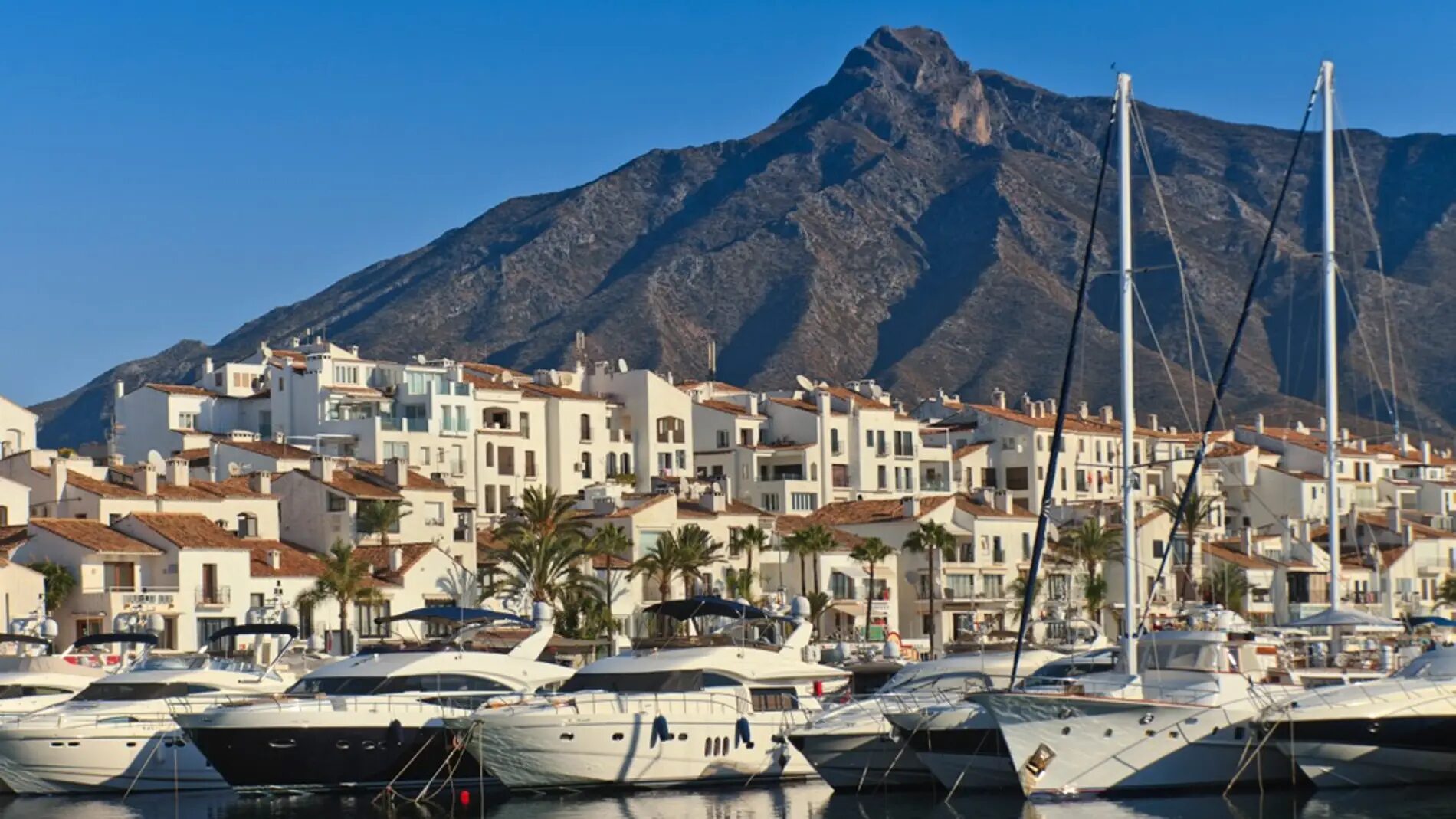
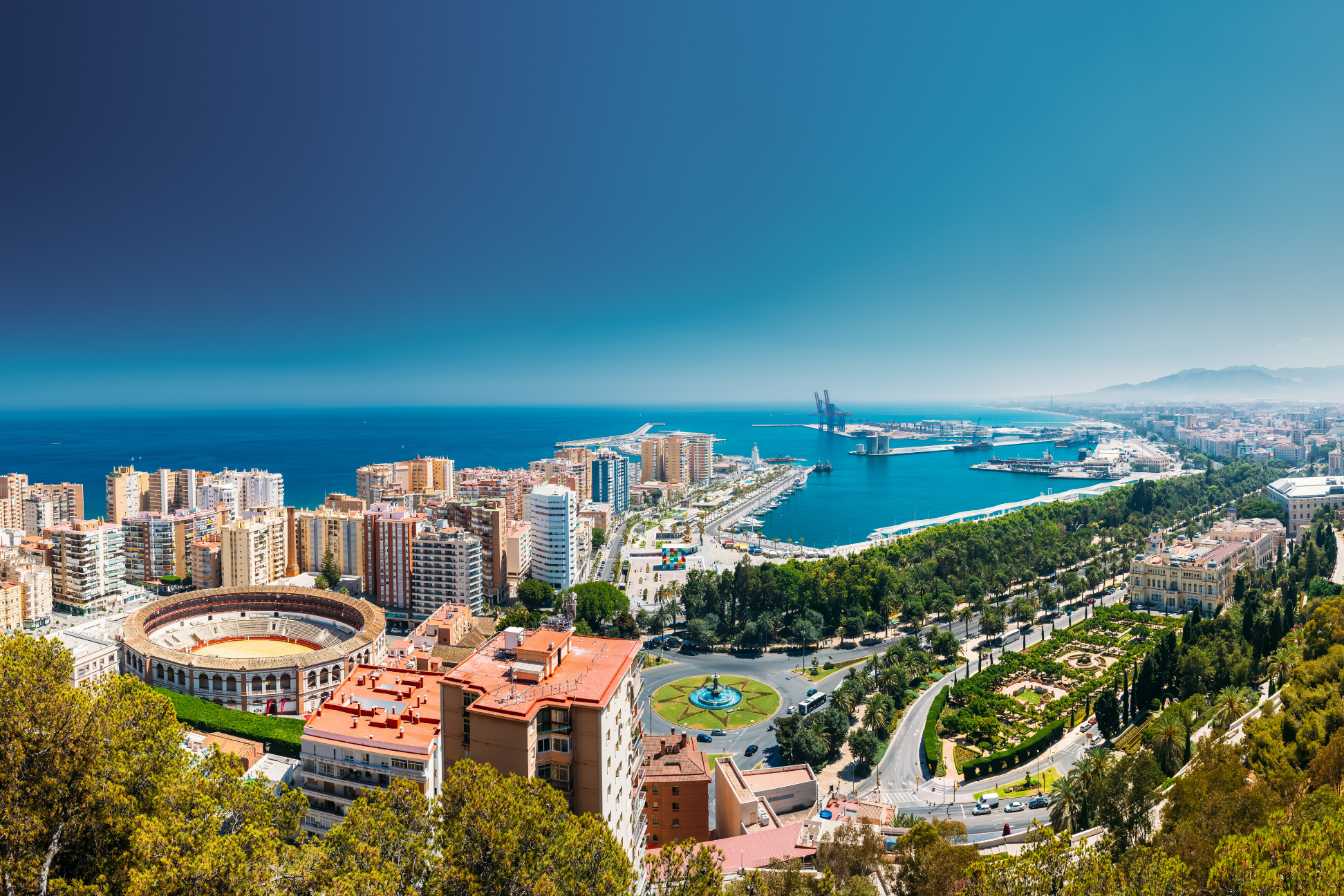
Aerial view of the Costa del Sol coastline near Marbella

Where founders cluster

Five areas — and the kind of founder each one fits

Where you base yourself shapes the daily reality more than people expect. Below are the five areas I send founders to first, chosen for the texture of work-life they offer at different stages.

Marbella Centro (Casco Antiguo)

Marbella Centro (Casco Antiguo)

The walkable core — for solo founders and couples without children.

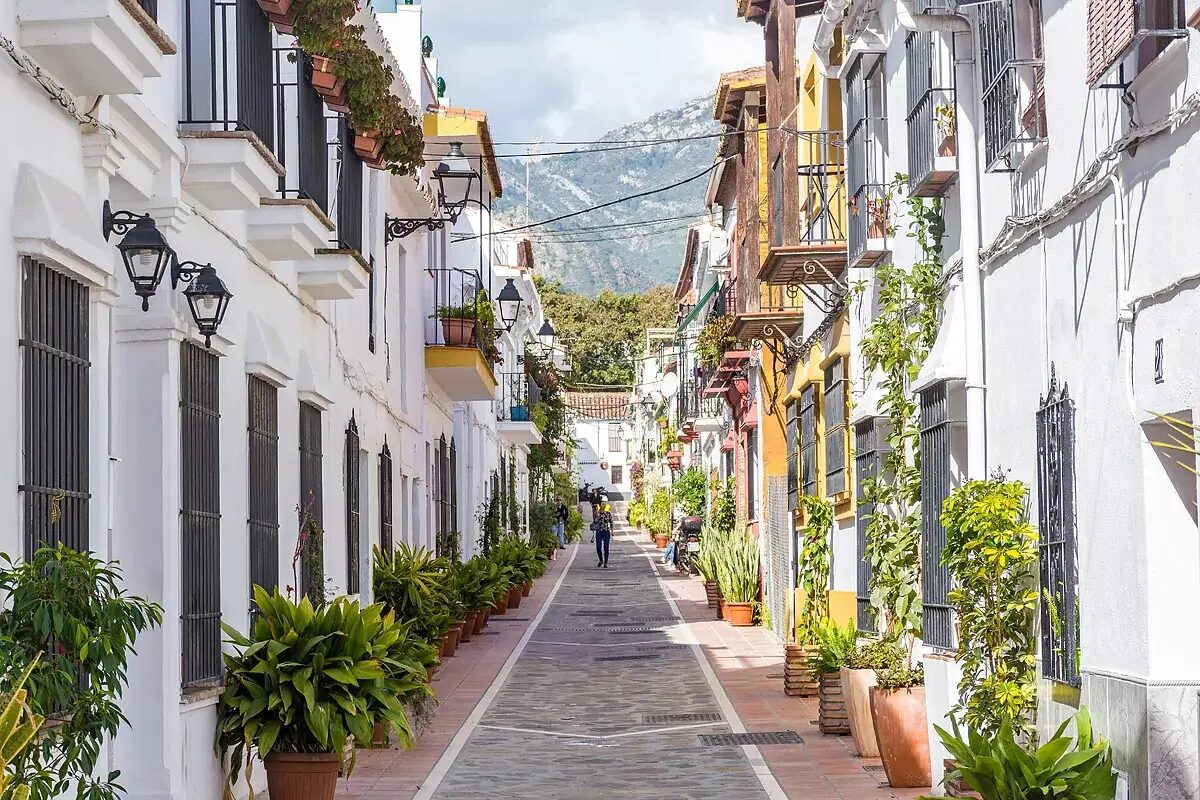
Marbella's old town is the most natural base for solo founders and couples without school-age children. Walking distance to coffee, lunch, gym, dinner. The café scene is strong enough that 'I'll work from Da Bruno tomorrow' is a normal sentence.

The seafront promenade is the daily walk. And the community is dense year-round — not just when summer turns up. For founders without the family logistics, this is where I start almost every conversation.

  • Walking-distance everything
  • Strongest café scene
  • Seafront promenade for breaks
  • Year-round community
Nueva Andalucía

Nueva Andalucía

The founder-with-children default.

Most founders I work with who have school-age children end up in Nueva Andalucía. International schools are within a ten-minute drive, padel courts are everywhere, the streets are quiet enough for deep morning work, and Puerto Banús sits next door for the evenings that want energy.

The school-gate community here is half family, half founder — those overlap more than you'd expect. Friendships form quickly because the same people you see at the school pickup are the people you'll see at the padel club on Saturday.

  • International schools within 10 min
  • Padel courts everywhere
  • Puerto Banús next door for energy
  • Founder-and-family community overlap
Sotogrande

Sotogrande

Private, polished, where established founders and family offices settle.

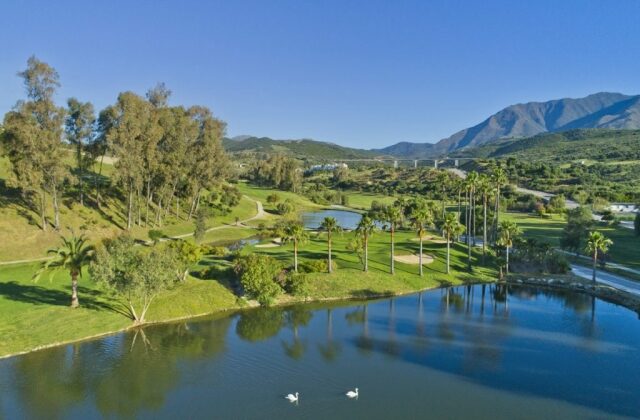
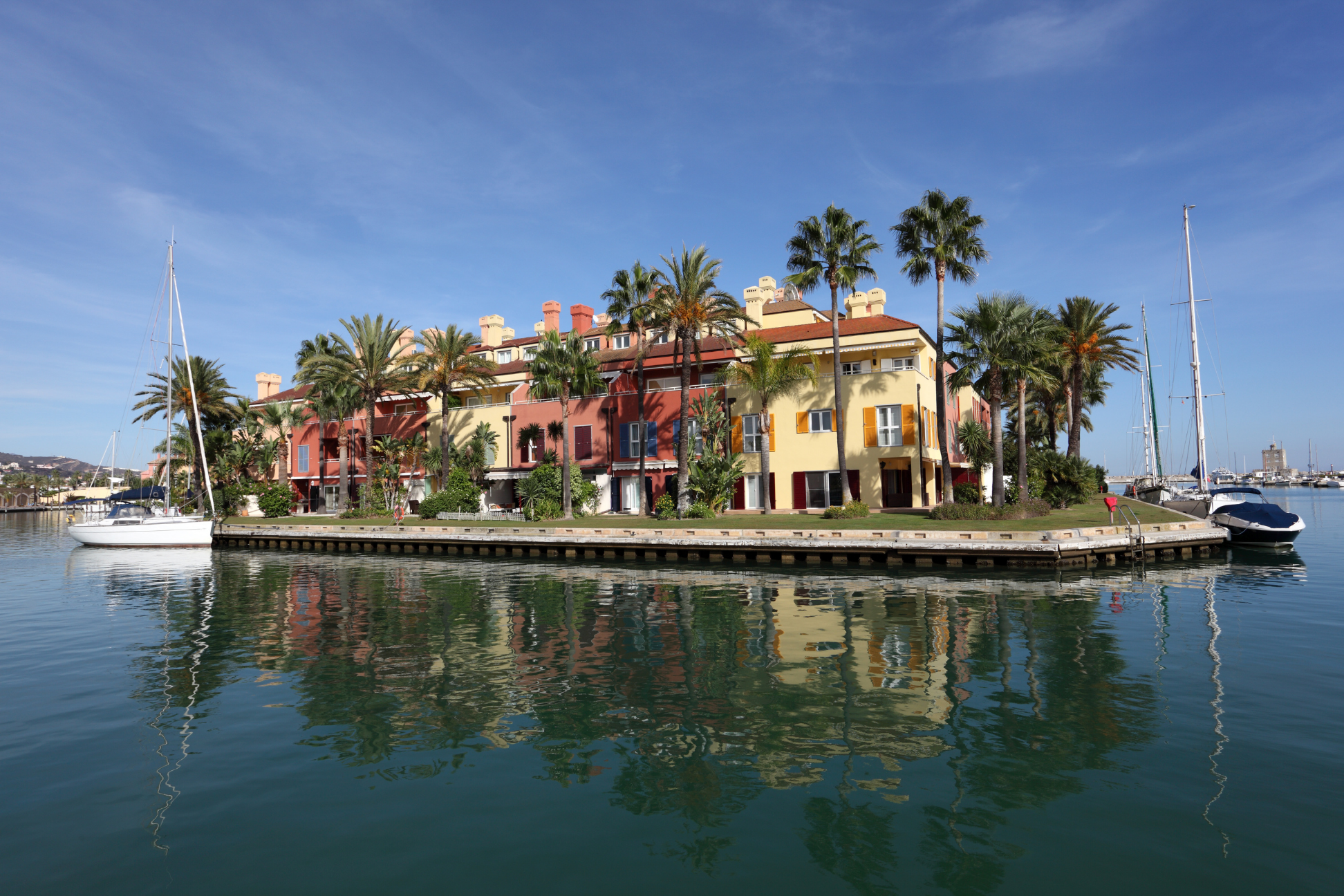
Sotogrande sits 45 minutes west, in Cádiz province, and feels nothing like central Marbella. Larger plots, world-class golf and polo, Sotogrande International School on site, and the most established international community on the coast — spanning generations.

I send founders here who've already exited or who run lifestyle businesses, and who value privacy over centrality. The community is denser than the public profile suggests, and it operates almost entirely by word of mouth.

  • World-class golf and polo
  • Sotogrande International School on site
  • Most private of the founder areas
  • Multi-generational international community
Estepona

Estepona

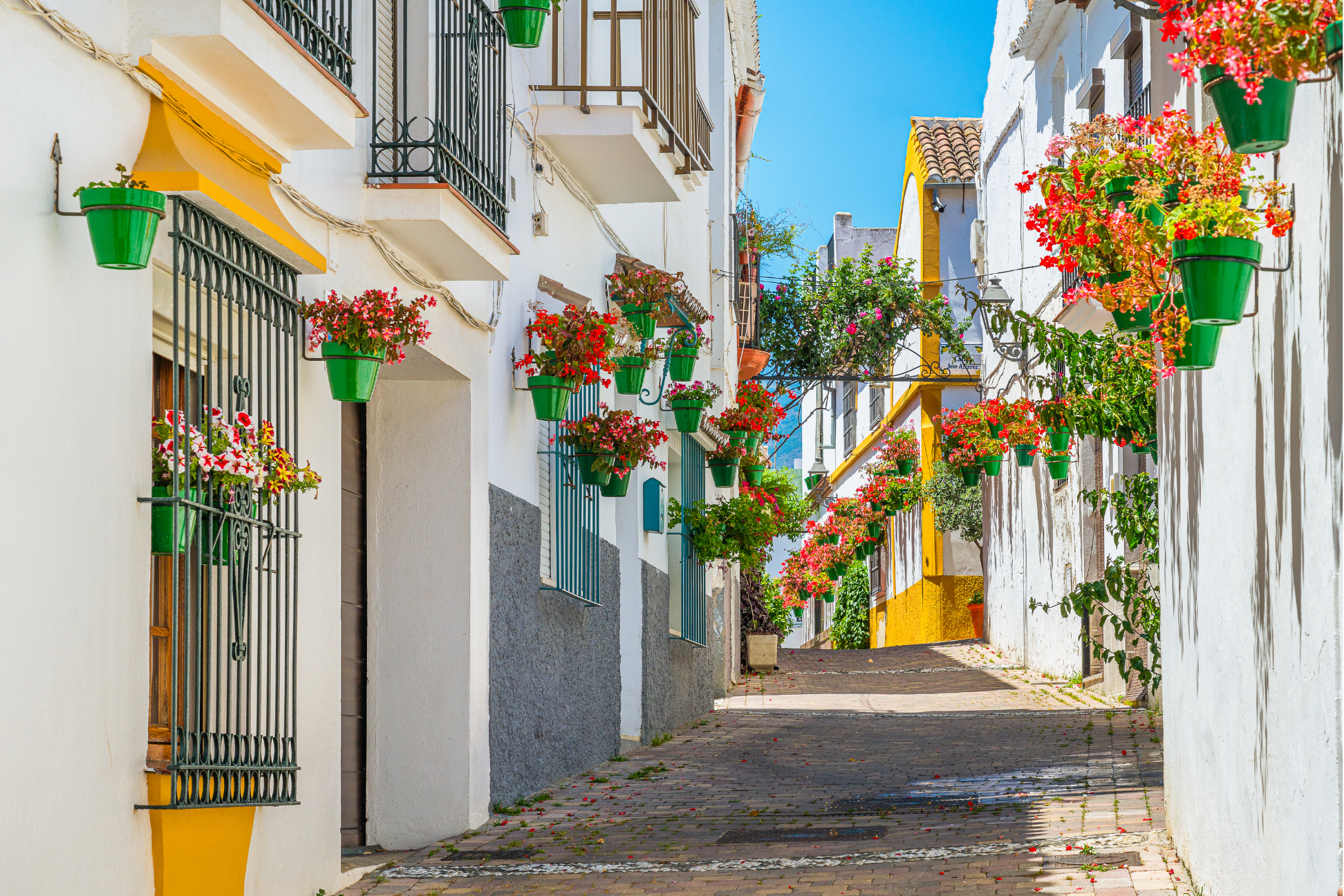
Lower cost, walkable Spanish town, the smart early-stage choice.

Estepona is the answer for early-stage founders testing the move at lower cost. Rents run 30–40% below central Marbella, the renovated old town is one of the most beautiful on the coast, and the café scene is growing fast.

Many founders spend a year here, then move east once they've decided central Marbella is what they want. It's a smart intermediate step, not a compromise.

  • 30–40% cheaper than central Marbella
  • Walkable Spanish town centre
  • Growing café scene
  • Good intermediate test base
Málaga city

Málaga city

The proper city option — culture, density, the airport at the edge.

If you want a city rather than a coastal town, Málaga is the answer. A real arts scene (the Picasso Museum, the Pompidou, the contemporary scene around Soho), a working historic centre, high-speed rail to Madrid in two and a half hours, and the international airport on the city's edge.

I send founders here who travel internationally too often to be fifty minutes from MAH, or who simply want a denser daily life than Marbella offers. The founder community here is smaller but distinct.

  • International airport on the doorstep
  • Genuine city density and culture
  • High-speed rail direct to Madrid
  • Denser creative and founder community
The maths gets you here. The network keeps you. The lifestyle is what makes a decade in Marbella feel like a different decision from a decade anywhere else.
— Marta
A Marbella terrace at golden hour, overlooking the sea

Work and life, integrated

What a productive Tuesday actually looks like

Most founders I work with describe the same shift after about a year here: their work has gotten better, not worse. The pace changes — but the output doesn't drop. If anything, it goes up. The reasons aren't mysterious.

It's the daily rhythm. The combination of deep focus blocks and proper recovery. The fact that you're not commuting two hours a day. The clarity that comes from working in good natural light, near the sea, in a city you actually want to be in. Below is what the texture of that week looks like.

Children playing outdoors in a Costa del Sol park

01

Deep mornings

Five hours of uninterrupted work between coffee at 7 and lunch at 1. The natural light, the silence outside the apartment, the fact that no one's calling — all of it adds up to a kind of focus most cities make impossible.

02

Sea-level recovery

An afternoon swim or a walk on the promenade isn't a break from work. It's part of how the work compounds. Most founders here build the swim into the day on purpose.

03

Padel as social fabric

Friendships among founders form on the padel court more than anywhere else here. A weekly 7pm game is a normal way to be in someone's life for a decade.

04

International tables

The dinner tables here are dense with interesting people — founders, operators, family offices, investors, the occasional artist or chef who chose Marbella for the same reasons you did.

05

Travel rewarded

Granada in two hours, Sevilla in two and a half, Tarifa, Tangier, Madrid in three by train. The geography quietly rewards the Friday-afternoon departure and the founder dinner in another city.

06

Time compounded

Most founders I work with say the same thing in year two: their work has gotten better, not worse, since the move. The pace changes — but the output doesn't.

Visas, practically

Three visa routes founders use — and how to choose

The visa choice quietly shapes everything: your timeline to residency, your tax options, your ability to bring family. Below are the three routes I see founders use most often, with how I'd think about each.

Spain's Entrepreneur Visa (Ley de Emprendedores)

Spain's Entrepreneur Visa, under the 2013 Entrepreneurs Law, is designed for founders building an innovative project with significant value to the Spanish economy. ENISA (the public business agency) reviews each application against innovation, scalability and job-creation criteria. It's not a rubber stamp — typical approval rates run 60–70%, and the application package needs to be properly prepared.

Granted, the visa runs three years with the option of permanent residency after five and Spanish citizenship after ten. For founders building genuinely new technology, deep tech, or a high-value services business, this is often the right route.

Digital Nomad Visa (Visado para teletrabajadores)

The Digital Nomad Visa, under the 2023 Startups Law, fits founders working remotely for non-Spanish clients or running a service business with international customers. Requirements: minimum income around €2,650/month for a single applicant (with additional thresholds per dependant), private health insurance, three months of prior client work or employment, and a clean criminal record.

The major advantage: applicants under this visa can elect the Beckham Law tax regime. For many founders, this is the single most important fact about it.

Self-employment (autónomo)

If you're already an EU citizen — or have used one of the above visa routes — registering as autónomo (self-employed in Spain) is how most solo founders and consultants operate. It involves registering with Hacienda (Spanish tax authority) and the Spanish Social Security system, and filing quarterly tax returns.

Registration takes a week with a gestor's help. The monthly social security contribution is currently around €230/month for the first year (subsidised for new autónomos), rising to roughly €294/month afterwards.

NIE — Foreigner Identification Number

Your NIE is the first piece of paperwork. It's required for everything — visa applications, opening a bank account, signing a rental, registering a company, even getting a Spanish phone contract. Apply through the Spanish consulate in your country before arrival (slower, cleaner) or in Spain via a national police station appointment (faster, requires booking).

For founders arriving on the Entrepreneur Visa or DNV, the visa application includes the NIE.

EU citizens vs visa routes

EU citizens don't need a visa — just an EU registration certificate within three months of arrival, plus a NIE. The Beckham Law is still available to qualifying EU founders if you've not been resident in Spain in the previous five years.

The simpler bureaucracy is a real advantage, but it doesn't change the tax structuring conversation — that one still matters.

The tax regime that matters most

The single number that changes the maths.

The Beckham Law — formally the régimen de impatriados — is the closest thing the European tax landscape has to a founder's bargain. Named after the footballer, structured for incoming international talent, and rewritten in 2023 to widen the door for entrepreneurs and digital nomads.

What it does: for six years, you're taxed in Spain as a non-resident. A flat 24% on Spanish-source income up to €600,000, and no Spanish tax on most foreign-source income. Capital gains on Spanish-source assets are taxed at non-resident rates (currently 19%), and your worldwide savings income is taxed at favourable Spanish progressive rates.

What it saves: depends entirely on what you'd otherwise pay. A founder earning €300,000 in Spanish-source income pays 24% — €72,000 — under Beckham. Under the standard Spanish resident regime, the same income would be taxed at progressive rates up to around 47%, costing roughly €120,000. The saving is meaningful, and it runs for six years.

Who qualifies — and this is where 2023 changed things. The regime now explicitly covers: salaried employees transferring to Spain (the original use case), qualifying entrepreneurs under the Entrepreneur Visa, qualifying digital nomads under the Startups Law, and certain highly qualified professionals. To elect Beckham, you must apply within six months of registering with Spanish Social Security — and you must not have been Spanish tax-resident in the previous five years.

What it doesn't cover: pure capital gains on the sale of your foreign-source business equity might still trigger Spanish tax in some structures. Beckham is most powerful for ongoing operating income, less powerful for one-off exit events. A Spanish tax adviser should run your specific structure before you become tax-resident — this is the conversation most founders most regret skipping.

The decision: not every founder will benefit equally, but for most international founders coming from higher-tax jurisdictions — the UK at 45%, France at 45%, Germany at up to 45%, US federal plus state often higher — Beckham is the single most consequential reason to take Spain seriously as a base.


The single number that changes the maths.

Setting up the company

Incorporating, registering, and the first three months

What you set up here depends on what you're building and how your revenue's structured. Below is the practical map — the most common founder configurations and what each one actually involves.

Sociedad Limitada (SL) — Spain's standard limited company

The SL is Spain's private limited company — the structure most founders incorporate when operating in Spain. Minimum share capital is €3,000, paid into the company bank account on incorporation. Single-shareholder SLs are common (sociedad unipersonal); multi-shareholder structures are equally straightforward.

Incorporation takes 2–4 weeks once you have a NIE. A bilingual gestor and a Spanish lawyer handle the registration with the Mercantile Registry, the deed at the notary, the CIF (corporate tax ID) and the initial Hacienda registrations. Total professional fees typically run €1,500–€3,000 plus state fees.

Corporate tax

Spanish corporate tax is currently 25%. New SMEs benefit from a reduced rate of 23% in the first two profitable years. Distributions to shareholders are subject to dividend taxation; this interacts directly with the Beckham regime for founders, so the structure should be designed with both in mind.

Annual accounts must be filed at the Mercantile Registry. Quarterly VAT returns and quarterly corporate tax instalments are standard. A gestor handles routine compliance for €150–€350/month depending on transaction volume.

Autónomo registration (for solo founders)

If you're operating as a solo founder or consultant rather than through an SL, you register as autónomo with Hacienda and Spanish Social Security. Standard registration takes a week with a gestor's help. Quarterly VAT and income tax filings are required; the annual income tax return is filed in June.

Many founders combine: incorporate an SL for the operating business and register as autónomo for personal consulting income. The right structure depends on revenue mix and tax planning — worth a single conversation with a Spanish tax adviser early.

Banking for businesses

Sabadell, BBVA, Santander and CaixaBank all open corporate accounts in 1–2 appointments once you have CIF and the deed. For purely digital founders, N26 Business and Revolut Business work as supplementary accounts — but most Spanish suppliers (and the tax authority) expect a Spanish bank account for direct debits.

Private banking arms become relevant once you're managing meaningful capital — Bankinter, Santander Private and Sabadell Privado all have English-speaking teams and understand cross-border founder profiles.

Fiscal residency considerations

Spend more than 183 days in Spain in a calendar year and you become tax-resident on worldwide income. If you're optimising for Beckham, the timing of your tax residency transition matters more than people realise — particularly if you're selling assets, exercising options, or restructuring a company in the transition year.

Plan this with a Spanish tax adviser before crossing the residency line. This is the single most expensive thing to get wrong.

Where to actually work

Coworking, internet and the infrastructure question

The infrastructure question gets settled in the first hour you're here. Below is what to expect, and where the working community actually meets.

Internet & infrastructure

Fibre is the default in Marbella. 1 Gbps symmetric is widely available; 600 Mbps is the baseline you should expect in any modern apartment or coworking. Movistar, Vodafone and Orange are the main carriers, with Pepephone and Másmóvil as cheaper alternatives.

Mobile coverage (4G/5G) is uniform across the coast. Power supply is reliable.

Marbella coworking spaces

Co-Working Marbella sits in central Marbella with a strong solo-founder community. Day passes €15–€20; monthly memberships €180–€250. WorkInn Marbella runs across multiple locations and includes private offices for small teams — monthly memberships €280–€500 depending on space type.

Several private members' clubs along the Golden Mile cater to higher-end founders and family-office operators — invitation-based, more about network than desk space.

Estepona coworking

Workinn Estepona is the established option west of Marbella. Solid space, strong nomad and early-stage founder community. Day passes €15; monthly memberships €150–€220.

Málaga coworking

Málaga has a denser, more diverse coworking scene than the coast — La Térmica (a public cultural space with workspaces), Workspace Málaga (modern, well-run), and several smaller spaces in the Soho and Lagunillas neighbourhoods.

Worth visiting if you're considering a Málaga base, or even just for a change of pace once a week.

From home vs from a coworking

Most founders I work with start in a coworking and migrate to working from home or a private office once they've found their pattern. The right answer for you depends on whether your work needs interruption (then home), accidental conversations (then coworking) or quiet (then private office).

A short trial before committing to a monthly membership is sensible — culture varies enormously between spaces.

Two paths from here

Most clients arrive on one of two paths.

Some are clear from day one that they want to buy. Some want to rent first — a year on the coast to test the climate, the neighbourhood, the daily rhythm — before committing capital. Both are valid; I've helped clients down both paths many times.

Below is what each path actually involves. Either way, the discovery form is where we start.

If you want to rent first

Renting in Spain — how it actually works

Renting in Spain follows its own rules, and the rental market here works differently from the UK or US in a few important ways. What follows is the practical map.

The Spanish rental market — overview

Long-term rentals (alquiler de larga duración) in Spain are contracts for 12 months minimum, automatically renewable for up to five years at the tenant's option. The landlord can only refuse renewal in specific cases (personal use, sale to certain buyers). This gives tenants meaningful security.

Short-term rentals (alquiler de temporada) are 1–11 months, used for seasonal stays or test moves. They're typically priced higher per month, taxed differently for landlords, and don't carry the same renewal rights. For a rental-first transition, the long-term contract is usually the right shape.

NIE and documentation

You need a NIE to sign a long-term rental contract in Spain. Apply through the Spanish consulate before arrival (slower, cleaner) or at a local national police station in Spain (faster, requires appointment). For arrivals on the Digital Nomad Visa or NLV, the visa application includes the NIE.

Landlords typically also ask for: proof of income (recent pay-slips or tax returns), passport, and sometimes a reference from a previous landlord. International renters with strong documentation are often preferred.

Guarantees and deposits

Standard deposit is one month's rent plus an additional one-month guarantee (fianza adicional) — so two months upfront, plus the first month's rent. Total upfront commitment on a €2,000/month rental: €6,000.

Higher-end rentals sometimes require larger guarantees — particularly furnished villa rentals or rentals from professional landlords. Worth asking early; the answer varies more than you'd expect.

Furnished vs unfurnished

Almost all rentals on the Costa del Sol come furnished — a meaningful difference from many northern European markets. The furniture is included; the tenant brings personal effects, kitchenware they care about, and not much else.

Unfurnished rentals exist but are rarer, often longer-term, and skewed towards larger family villas. Worth asking specifically if you want unfurnished — the standard listings won't filter for it.

Bills and community fees

Standard rental contracts include the gastos (community fees, basura, building maintenance) but not the utilities — water, electricity, gas and internet are tenant-paid. Budget around €150–€300/month for utilities on a 2-bed apartment; more for a villa with a pool.

Internet is the tenant's responsibility. The landlord will usually let you take over an existing fibre contract or install your own; most modern apartments are already fibre-ready.

Reading the contract

Spanish rental contracts (contrato de arrendamiento) are well-regulated and broadly similar across landlords. Key clauses to check: contract length and renewal terms, deposit and guarantee amounts, rent indexation (usually IPC, the Spanish CPI), pet policy, and notice period (typically 30 days from the tenant's side after six months in the property).

If anything looks unusual or restrictive, ask. International tenants sometimes get presented with non-standard contracts that include clauses Spanish tenants would push back on. Worth having a Spanish lawyer review longer or higher-value contracts.

Pet policy

Pet policies vary hugely. Many landlords welcome pets; some flat-out refuse; some accept with an additional guarantee. State your pets up-front rather than after signing — the rental market on this coast is broad enough that you'll find a landlord who's comfortable, but you'll waste viewings if pets aren't disclosed.

The transition from renting to buying

Most clients who rent for a year end up buying within months ten to fifteen of the rental. The shape of the conversation is different by then: you know the areas, you know the climate, you know what you actually want from the property, and the search becomes quicker and more decisive.

Practically, the buying process is the same as outlined in the investors guide. Most clients give notice on the rental six to eight weeks before completion; landlords are typically flexible if you've been a good tenant. Don't let the rental contract drift to its automatic renewal date without a plan — that's where avoidable costs arise.

If you want to buy

Buying property in Spain — the actual process

Buying property in Spain as a foreigner is well-trodden ground. The process is clear, but it's not casual — there are six moments where good advice changes the outcome significantly. Here's how it actually runs. (For the full fiscal picture and budget-tier framing, see the investors guide.)

NIE — Foreigner Identification Number

You can't sign a purchase in Spain without a NIE — the Spanish foreigner identification number. It's the same number you'd need for a long-term rental or to open a bank account, and it's the first piece of paperwork I help my clients line up.

Two routes: through the Spanish consulate in your country of residence (slower but cleaner) or in person at a national police station in Spain (faster but requires an appointment). For a buyer arriving on a property trip, the in-person route usually fits the timeline better.

Choosing a Spanish lawyer

A Spanish property lawyer — abogado — is the most important single hire of the entire process. Their job is to verify title, check for charges and debts on the property, confirm planning compliance, and structure the purchase to your tax circumstances.

I work with a small group of bilingual lawyers I trust completely and have used through dozens of transactions. They're independent — they represent you, not the agent — and their fee is typically 1% of purchase price (plus VAT).

Due diligence

Once you've made an offer that's accepted, your lawyer's due diligence begins. They'll pull the title deed, check the planning register, confirm that any extensions or pools have been declared properly, verify that community fees are current, and confirm that no debts attach to the property.

This is the stage where deals occasionally fall apart — usually because something undeclared turns up in the planning register, or because the seller's situation is more complicated than they disclosed. That's exactly what your lawyer is paid to find.

Reservation contract

Once both sides agree to proceed, you sign a reservation contract and pay a small deposit (€6,000–€10,000 typically) to take the property off the market while due diligence completes. This step is sometimes skipped on private-treaty resales and almost always included on new builds.

Arras (deposit) contract

Once due diligence clears, you and the seller sign the contrato de arras — the deposit contract — and you pay 10% of the purchase price. From this point, if you walk away you forfeit the 10%; if the seller walks, they owe you 20%.

Completion typically follows 6–12 weeks after the arras signing, giving you time to arrange remaining funds, mortgage drawdown if applicable, and the practical move-in.

Completion at the notary

Completion happens at the Spanish notary — escritura pública. You, the seller, both lawyers, and (if relevant) the bank attend. The deed is signed, the remaining 90% transfers, and the keys hand over. The whole appointment usually takes about an hour.

The property is then registered in the local property registry over the following 4–8 weeks. That's a formality your lawyer handles.

Questions founders ask me

What entrepreneurs actually want answered first

Most of what follows comes from real first conversations. If your question isn't here, ask it in the discovery form — I'll answer it personally.

What visa do entrepreneurs use to move to Spain?

Three main routes apply to most founders: Spain's Entrepreneur Visa (under the 2013 Entrepreneurs Law, for those building an innovative project with significant economic value to Spain — reviewed by ENISA), the Digital Nomad Visa (under the 2023 Startups Law, for remote workers and qualifying self-employed founders working with non-Spanish clients), and self-employment as autónomo (for EU citizens, or as a follow-on for non-EU founders once they've established residency). All three allow Beckham Law tax election if structured properly, and all lead to permanent residency after five years.

Can I use the Beckham Law as a founder in Spain?

Yes, in many cases. The Beckham Law (régimen de impatriados) was reformed under the 2023 Startups Law to explicitly include qualifying entrepreneurs and digital nomads. If you qualify, you pay a flat 24% on Spanish-source income up to €600,000, and no Spanish tax on most foreign-source income, for six years. The structure of your work — salaried role, self-employed founder, equity holdings — determines eligibility. You must apply within six months of registering with Spanish Social Security and must not have been Spanish tax-resident in the previous five years.

How much can I save with the Beckham Law as a founder?

It depends on what you'd otherwise pay. A founder earning €300,000 in Spanish-source income pays 24% — €72,000 — under Beckham. Under the standard Spanish resident regime, the same income would be taxed at progressive rates up to around 47%, costing roughly €120,000. The saving is meaningful and runs for six years. For founders coming from higher-tax jurisdictions (UK at 45%, France at 45%, Germany at up to 45%, US federal plus state often higher), Beckham is usually the single most consequential reason to take Spain seriously.

How do I set up a Spanish company as a foreign founder?

The standard structure is a Sociedad Limitada (SL) — Spain's private limited company. Minimum share capital is €3,000. Incorporation typically takes 2–4 weeks once you have a NIE. A bilingual Spanish lawyer and a gestor handle the registration with the Mercantile Registry, the deed at the notary, the CIF (corporate tax ID), and Hacienda registrations. Total professional fees run €1,500–€3,000 plus state fees. Corporate tax is currently 25% (23% for new SMEs in their first two profitable years).

Where in Marbella do entrepreneurs and founders typically live?

Five areas come up consistently. Marbella Centro (the walkable old town) for solo founders and couples without children. Nueva Andalucía for founders with school-age children (international schools 10 minutes away, padel everywhere). Sotogrande for established founders and family offices wanting privacy and a multi-generational international community. Estepona for cost-conscious early-stage founders (rents 30–40% below central Marbella). And Málaga city for founders wanting urban density and the international airport at the edge.

Are there good coworking spaces in Marbella?

Yes. Notable options include Co-Working Marbella (central, strong solo-founder community), WorkInn Marbella and Estepona (multiple locations, private offices available), and the denser Málaga scene including La Térmica and Workspace Málaga. Day passes run €15–€25; monthly memberships €150–€500 depending on amenities. Several private members' clubs along the Golden Mile cater to higher-end founders — invitation-based, more network than desk space. A short trial before committing to monthly membership is sensible.

What's the internet like in Marbella for remote work?

Fibre is the default in Marbella. 1 Gbps symmetric is widely available; 600 Mbps is the baseline you should expect in any modern apartment or coworking. The main carriers are Movistar, Vodafone and Orange, with Pepephone and Másmóvil as cheaper alternatives. Mobile coverage (4G/5G) is uniform across the coast. Coworking spaces run business-grade circuits with backup connections.

Do I need to speak Spanish to base a business in Marbella?

No, not initially. The international business community on the Costa del Sol operates almost entirely in English. The bilingual professional network — lawyers, gestores, bankers, accountants, doctors — is dense and accustomed to international founders. Learning Spanish is genuinely worth doing for cultural integration and the deeper community access it opens, but it's not a barrier to setting up or to operating a business here from day one.

Start here

Begin with a quiet conversation.

The discovery form gives me enough context to write back personally — visa route, tax structuring questions to bring to a Spanish adviser, and the practical first steps for basing yourself here. It's the way every founder I've worked with started.

Start the discovery form